
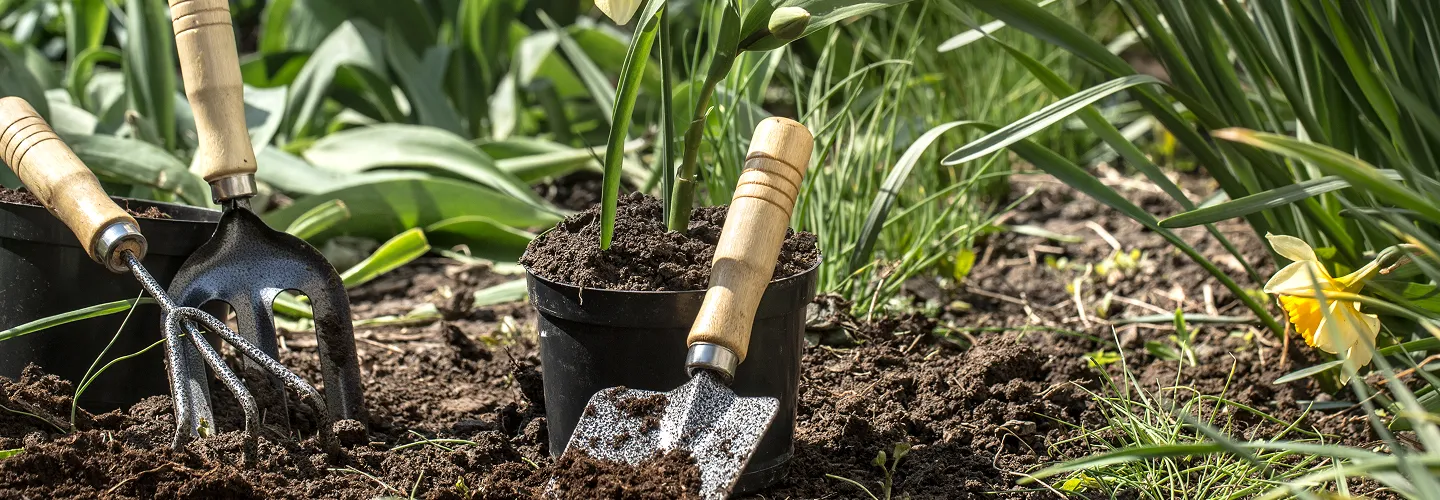
Universal City Weed Control Services
Choose our expert weed control services for reliable, long-lasting results that keep your lawn healthy, green, and weed-free—so you can enjoy a beautiful outdoor space without the hassle.
Get a Free QuoteOur Universal City Landscaping & Yard Care Services
When to Schedule Weed Control in Universal City, Texas – Seasonal Guide
In Universal City, Texas, timing your weed control treatments is crucial for maintaining a healthy, vibrant landscape. The region’s warm climate, with hot summers and mild winters, means that weeds can germinate and spread quickly if not managed proactively. Optimal weed control typically begins in early spring, just after the last frost date, and continues through late fall. This schedule aligns with the active growing season in neighborhoods like Olympia Hills and Coronado Village, where lush lawns and gardens are common.
Local environmental factors play a significant role in determining the best times for weed control. Universal City’s clay-heavy soils, variable humidity, and periods of drought—especially during late summer—can influence both weed growth and the effectiveness of treatments. Areas with dense shade, such as those near Universal City Park, may require different strategies compared to sun-exposed lawns. For more information on local environmental guidelines, visit the Sudbury municipal resource.
Local Factors to Consider for Weed Control in Universal City
- Tree density and shade coverage (affects weed species and growth rates)
- Soil type (clay soils retain moisture, impacting herbicide absorption)
- Seasonal precipitation patterns (spring rains vs. summer drought)
- Proximity to landmarks like Universal City Park or Olympia Hills Golf Course
- Municipal restrictions or recommended application windows
- Terrain and drainage (sloped yards may require special attention)
Benefits of Weed Control in Universal City
Enhanced Curb Appeal
Healthier Lawns and Gardens
Reduced Maintenance Time
Prevention of Invasive Species
Improved Soil Quality
Professional and Reliable Service
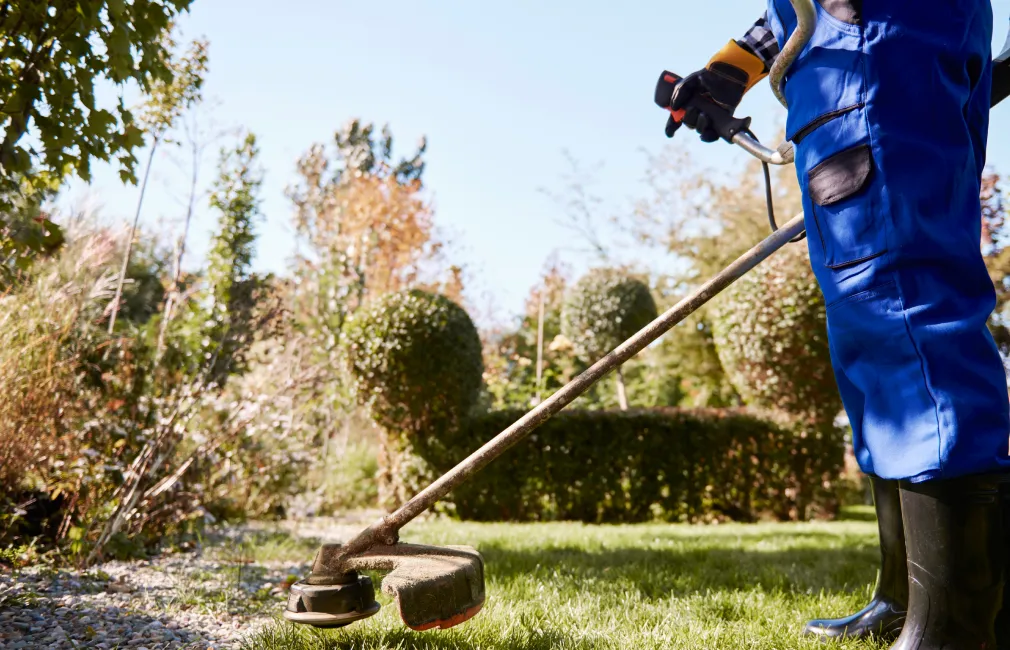
Universal City Weed Control Types

Pre-Emergent Weed Control
Pre-emergent treatments prevent weed seeds from germinating in your landscape.
-
Post-Emergent Weed Control
Post-emergent solutions target and eliminate existing weeds in lawns and garden beds.
-
Organic Weed Control
Eco-friendly methods use natural products to manage weeds without harsh chemicals.
-
Selective Herbicide Application
Selective herbicides target specific weed species while preserving desirable plants.
-
Non-Selective Herbicide Application
Non-selective herbicides are used for total vegetation control in unwanted areas.
-
Manual Weed Removal
Physical removal of weeds by hand or with specialized landscaping tools.
-
Mulching for Weed Suppression
Applying mulch helps block sunlight and reduce weed growth in landscaped areas.
Our Weed Control Process
Site Evaluation
Weed Identification
Treatment Application
Follow-Up Inspection
Why Choose Universal City Landscape Services
-
Universal City Homeowners Trust Us
-
Comprehensive Lawn Maintenance
-
Reliable Irrigation Solutions
-
Expert Tree and Shrub Care
-
Seasonal Clean-Up Services
-
Competitive Pricing
-
Satisfaction Guarantee
Universal City’s Expansive Clay Soils and Weed Control Challenges
Universal City’s predominant soils, including Houston Black clay and Lewisville silty clay loam, present unique weed control challenges due to their high shrink-swell capacity and tendency toward compaction. These soils typically exhibit pH values ranging from 7.5 to 8.2, which can favor the growth of invasive broadleaf and grassy weeds. Effective weed management requires soil testing—available through the USDA Web Soil Survey—to determine nutrient imbalances and compaction levels. For optimal results, core aeration to a depth of 2-3 inches is recommended every 2-3 years to reduce compaction and improve herbicide penetration. Incorporate organic matter, such as 2-3 inches of compost tilled to a 6-inch depth, to enhance soil structure and suppress weed emergence. Soil amendments, including lime or sulfur, should be applied based on test results to maintain a balanced pH. For further guidance, consult Texas A&M AgriLife Extension for region-specific recommendations.
Weed Control Ordinances and Equipment Operation Standards in Universal City
Universal City enforces specific ordinances governing weed height, chemical application, and equipment operation to ensure public safety and neighborhood standards. According to city code, grass and weeds must not exceed 12 inches in height on any property, and violations may result in fines or abatement actions. Equipment operation for weed control is permitted during the following hours:
- Monday-Friday: 7:00 AM - 7:00 PM
- Saturday: 8:00 AM - 6:00 PM
- Sunday and holidays: Prohibited All chemical applications must comply with label instructions and avoid drift onto adjacent properties or public rights-of-way. Operators are required to use commercial-grade equipment with functioning mufflers and maintain noise levels below 85 decibels at property lines. For enforcement and compliance details, coordinate with the
Universal City Code Compliance Division
2150 Universal City Blvd, Universal City, TX 78148
Phone: (210) 659-0333
Official Website: Universal City Code Compliance Division
Stormwater Protection and Environmental Compliance for Weed Control in Universal City
Weed control activities in Universal City must comply with local and state stormwater regulations to protect Cibolo Creek and other sensitive water bodies. The city operates under a Municipal Separate Storm Sewer System (MS4) permit, which prohibits the discharge of yard waste, herbicides, or soil into storm drains. Maintain a minimum 25-foot buffer from wetlands and waterways when applying herbicides, and never dispose of clippings or debris in storm inlets. The Clean Water Act and Texas Water Code require that all chemical applications be documented and that spill response protocols are in place. For additional compliance resources, consult the
Universal City Public Works Department
265 Kitty Hawk Road, Universal City, TX 78148
Phone: (210) 658-5364
Official Website: Universal City Public Works Department
and the
Texas Commission on Environmental Quality
12100 Park 35 Circle, Austin, TX 78753
Phone: (512) 239-1000
Official Website: Texas Commission on Environmental Quality
Seasonal Timing and Weather Considerations for Weed Control in Universal City
Universal City is located in USDA Hardiness Zone 8b, with average annual minimum temperatures of 15-20°F and a growing season extending from mid-March through late November. Optimal timing for pre-emergent herbicide application is February 15 - March 15, when soil temperatures reach 55°F. Post-emergent treatments are most effective from April through June and again in September, avoiding periods of drought or excessive rainfall. Monitor local weather forecasts through the National Weather Service Austin/San Antonio Office to schedule applications during calm, dry conditions and prevent chemical drift. Key timing guidelines include:
- Pre-emergent: February 15 - March 15 (soil temp 55°F)
- Post-emergent: April-June, September
- Avoid: July-August (heat stress), heavy rain events For up-to-date weather and soil temperature data, reference the National Weather Service.
What Neighborhoods Do We Serve Throughout Universal City, TX?
- Olympia Hills: Characterized by gently rolling terrain and Houston Black clay soils, this area requires careful management of compaction and drainage to prevent weed proliferation in turf and landscaped beds.
- Coronado Village: Features mature tree canopies and smaller lot sizes, increasing shade and moisture retention, which can favor broadleaf weed growth and necessitate targeted control strategies.
- Meadow Oaks: Known for its mix of older and newer homes, this neighborhood often experiences soil compaction and variable pH, requiring regular soil testing and tailored weed management.
- Red Horse Park Area: Proximity to parklands and recreational fields means increased exposure to invasive species and the need for buffer zones to protect adjacent natural areas.
- Universal City North: Larger lots and open spaces present challenges with windborne weed seeds and require consistent mowing and perimeter management.
- Springwood: Located near drainage corridors, this area is susceptible to runoff and must adhere strictly to stormwater protection practices during weed control operations.
State and Federal Regulations Impacting Weed Control in Universal City
All weed control operations in Universal City must comply with the Texas Water Code and the Clean Water Act, which regulate chemical use, runoff, and protection of water resources. Applicators must be licensed by the Texas Department of Agriculture for restricted-use herbicides and maintain records of all applications for two years. The Texas Commission on Environmental Quality oversees MS4 stormwater permits, while the EPA Region 6 provides federal oversight. For technical support and soil testing, property owners can utilize Texas A&M AgriLife Extension. Key compliance steps include:
- Maintain 25-foot buffer from water bodies
- Use only EPA-registered products
- Document all chemical applications
- Follow label rates and timing strictly
- Retain records for two years Failure to comply may result in enforcement actions by state or federal agencies.